


Weight Loss Programmes in Singapore: 5 Options and How to Choose
Learn more

Facial

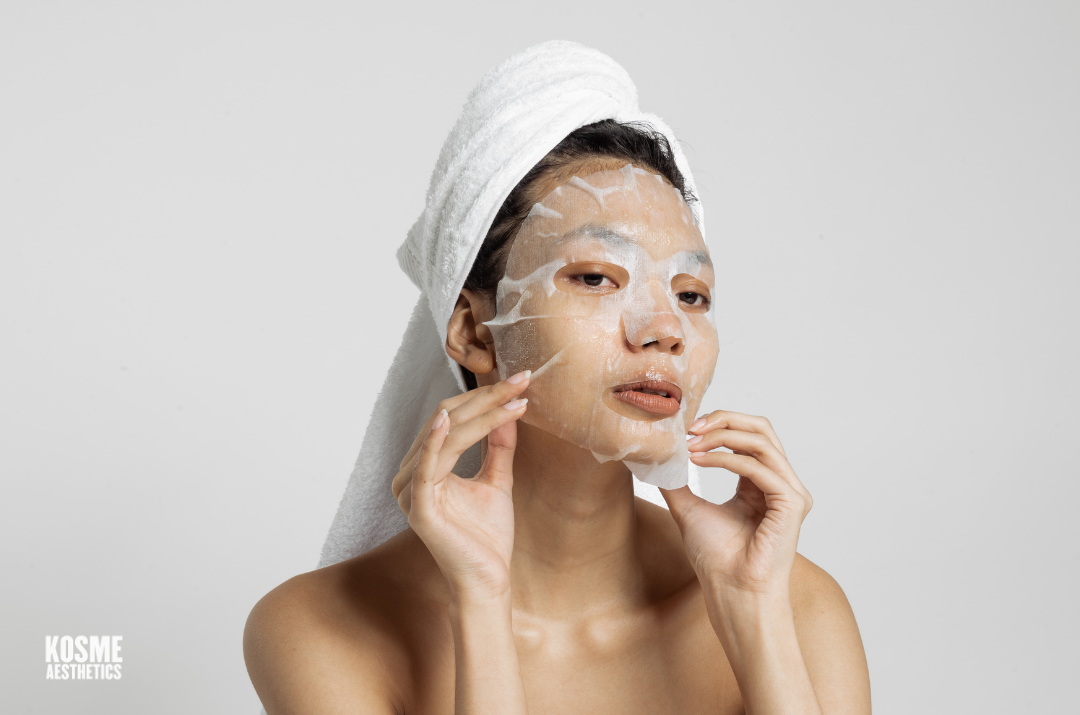
How long you should leave a face mask on depends on the type of mask and its formula. Many face masks are designed to be used for around 10 to 20 minutes, although the correct timing depends on the specific product. The safest approach is to follow the timing on the product label and remove the mask sooner if you experience burning, itching, stinging or irritation.
Face masks can complement a regular skincare routine by providing temporary hydration or targeting concerns such as excess oil, dryness or uneven-looking texture, depending on the ingredients used.
They are optional skincare products rather than a replacement for your everyday basics such as cleansing, moisturising and sun protection. Dermatologists recommend choosing a mask according to your skin concerns and the ingredients in the formula.
Start with clean skin unless the product instructions say otherwise.
Apply the mask evenly and gently, avoiding unnecessary rubbing. Leave it on only for the recommended amount of time, then remove or rinse it according to the instructions on the product.
If a mask causes burning, itching or stinging, remove it immediately rather than waiting for the recommended time to finish.
There is no single correct wear time for every face mask.
The ingredients, formula and product instructions matter more than the mask category alone. Always use the label as your main guide and remove the product earlier if your skin becomes uncomfortable.
.png)
Clay masks are commonly used in routines aimed at managing excess oil.
There is no universal timing for every clay mask. Remove it if the mask becomes excessively dry, tight or uncomfortable.
.png)
Many sheet masks recommend around 15 to 20 minutes, although this varies by product.
A 2024 randomised study investigated sheet-mask wear times of 5, 15, 25 and 40 minutes. The study found that shorter-term sheet-mask use improved hydration, while prolonged wear was associated with increased dryness and redness. This suggests that leaving a sheet mask on longer does not necessarily provide better results.
.png)
Gel masks vary considerably in formulation.
Some are designed to be rinsed off after a short period, while others may be intended for longer wear, so there is no single timing rule for all gel masks.
.png)
Overnight or sleeping masks are specifically formulated to stay on the skin for longer periods.
Only leave a mask on overnight if the product is clearly designed and labelled for overnight use. A mask intended for short-term use should not automatically be treated as an overnight mask.
Leaving a face mask on longer than recommended does not necessarily improve the result.
Depending on the ingredients and type of mask, prolonged use may increase dryness, redness or irritation. Research on sheet masks has also associated longer wear times with increased dryness and redness.
If you experience burning, itching, stinging or significant discomfort, remove the mask and gently rinse your skin.
The correct removal method depends on the type of mask.
For clay, cream or other wash-off masks, gently rinse the product away according to its instructions.
For sheet masks that are designed to leave serum behind, you can usually remove the sheet and gently pat the remaining serum into the skin unless the label tells you to rinse it away.
Avoid rubbing or pulling aggressively at the skin.
After removing your mask, continue with your usual skincare routine. Apply moisturiser if needed, and finish with broad-spectrum sunscreen if it is daytime. Facial masks should complement rather than replace your normal skincare routine.
.png)
1. Leaving the mask on longer because you think it will work better
Longer does not automatically mean more effective. Follow the recommended timing.
2. Ignoring how your skin feels
Remove the mask if you experience burning, itching, stinging or significant irritation.
3. Treating every type of mask the same
Clay masks, sheet masks, gel masks and overnight masks are formulated differently and may require different wear times.
4. Ignoring the product instructions
The label should always take priority over a general skincare rule.
5. Using masks too frequently
Using masks too often, particularly those containing potentially irritating or exfoliating ingredients, may contribute to dryness or irritation.
Key Takeaways
Want to give your skincare routine a little extra care? Consider adding a facial to support hydration, smoother-looking texture and a refreshed complexion.

