


Weight Loss Programmes in Singapore: 5 Options and How to Choose
Learn more

Facial

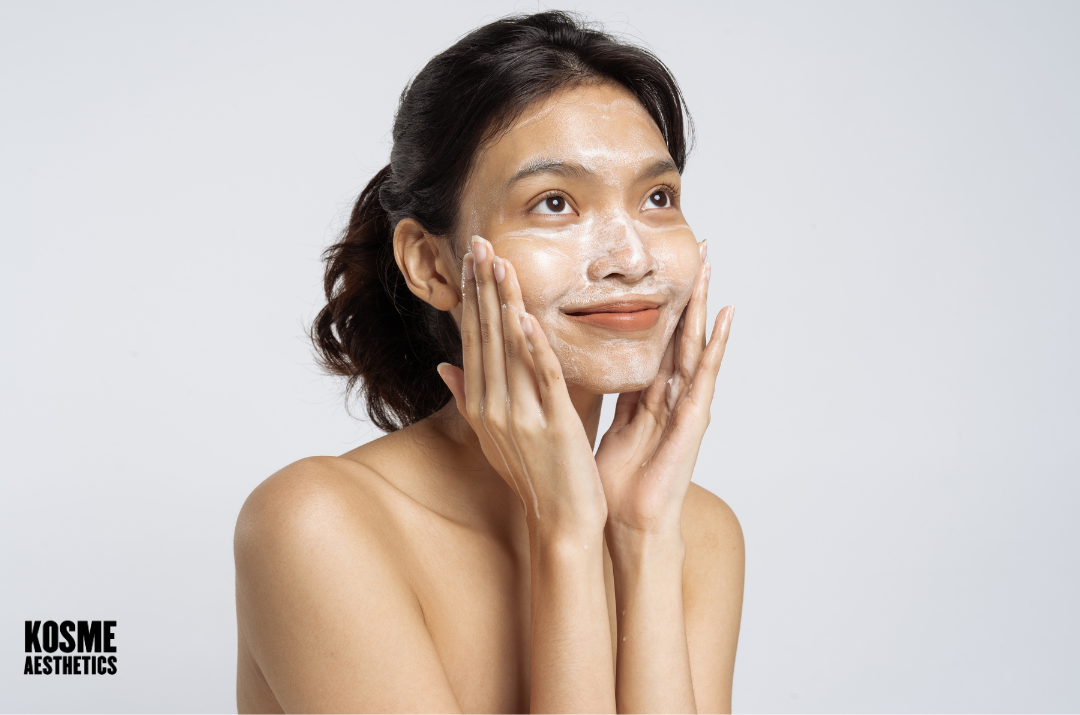
In most cases, you do not need to wash your face immediately after using a sheet mask. Most sheet masks are designed so the remaining serum can be gently patted into the skin. However, you should always follow the product instructions and rinse your face if the mask causes burning, itching or irritation.
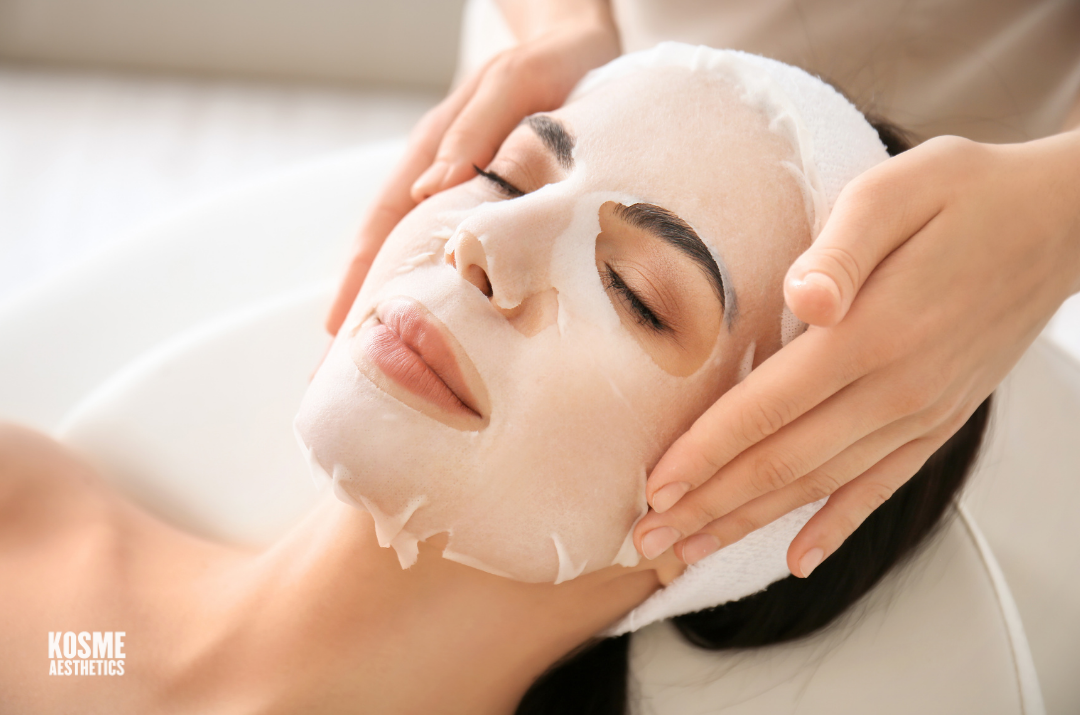
A sheet mask is a face-shaped material soaked in skincare serum. It keeps the formula in contact with the skin for a set period and may temporarily improve hydration, depending on its ingredients.
Sheet masks can complement a regular skincare routine, but they do not replace cleansing, moisturising, sunscreen or treatment for a skin condition.
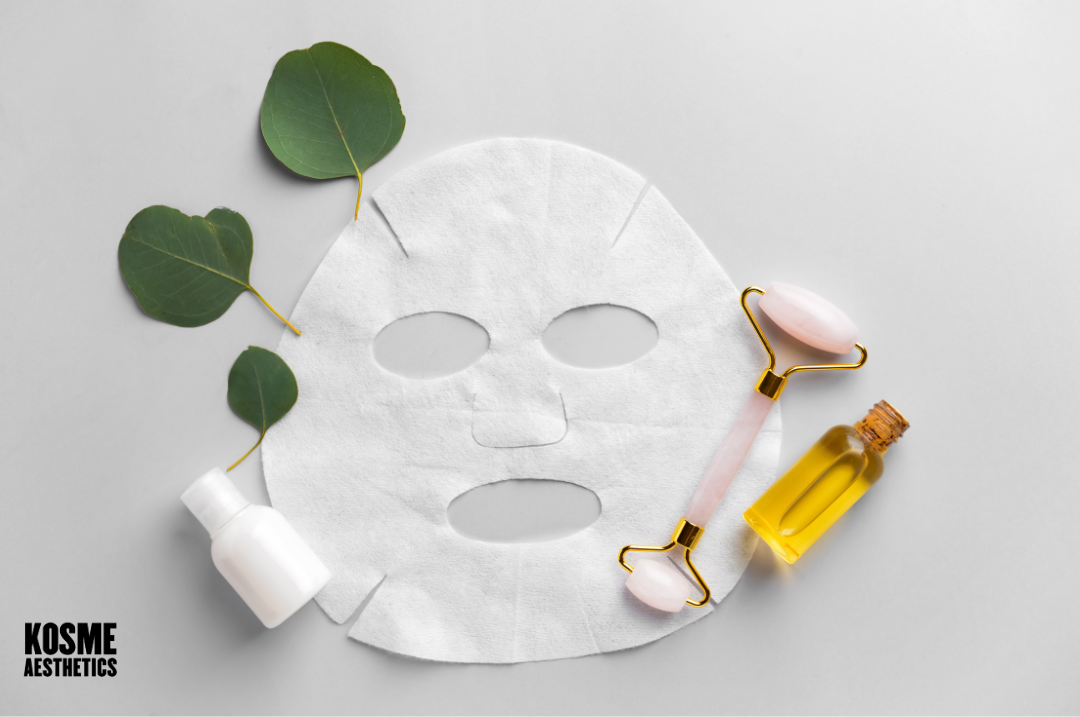
Always check the instructions because some sheet masks are designed as leave-on products while others may require rinsing.
If your skin feels comfortable, the remaining serum can usually be left on. Rinse it off if your skin feels irritated or excessively sticky.
Sheet masks can be used in the morning or evening. Finish with sunscreen during the day, or moisturiser at night if additional hydration is needed.
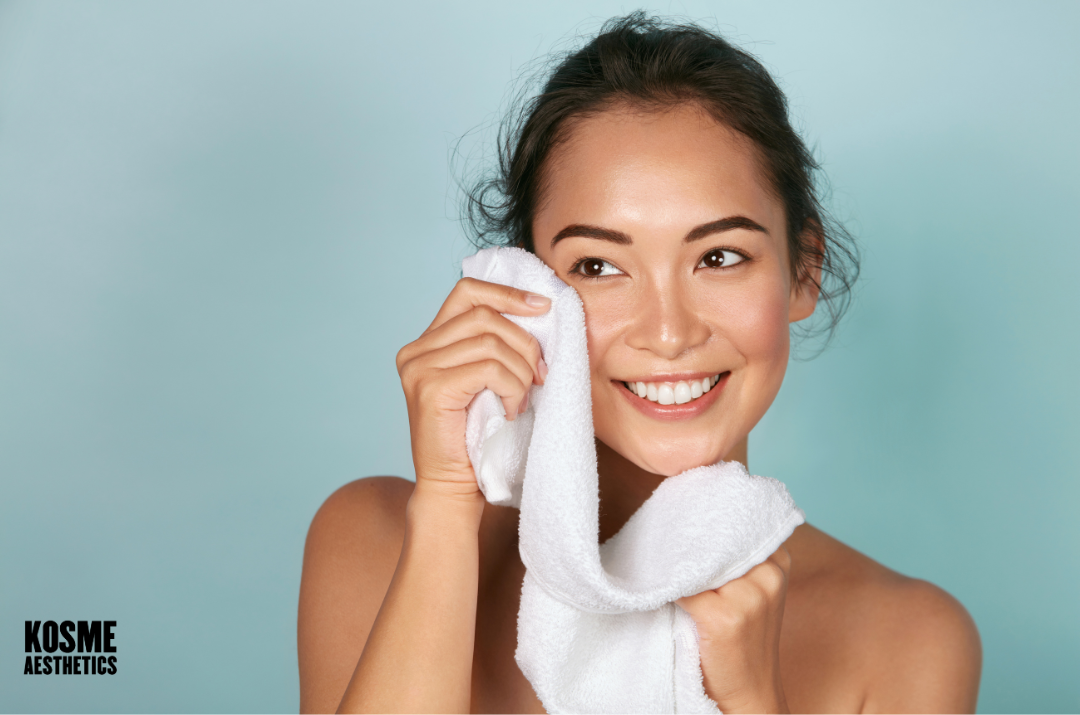
After removing a sheet mask, keep the routine simple:
1. Remove the mask after the recommended time
Follow the wearing time stated on the product label.
2. Gently pat in the remaining serum
Use clean hands and avoid rubbing the skin aggressively.
3. Apply moisturiser if needed
This may help retain hydration, particularly if your skin feels dry.
4. Use sunscreen during the day
Finish with a broad-spectrum sunscreen if you use the mask in the morning.
You do not need to add extra serums, oils or eye creams unless they are already part of your normal routine.
Tip: Adjust the rest of your routine depending on how hydrated your skin feels, and remember to extend suitable skincare products to your neck.
.png)
Sensitive skin may react to fragrance, essential oils, alcohol or strong exfoliating ingredients. Choose a simple formula and remove the mask immediately if you experience burning, itching or stinging.
If you have acne-prone or combination skin, consider a lightweight formula and monitor how your skin responds. Stop using the mask if it appears to cause irritation, clogged pores or breakouts.
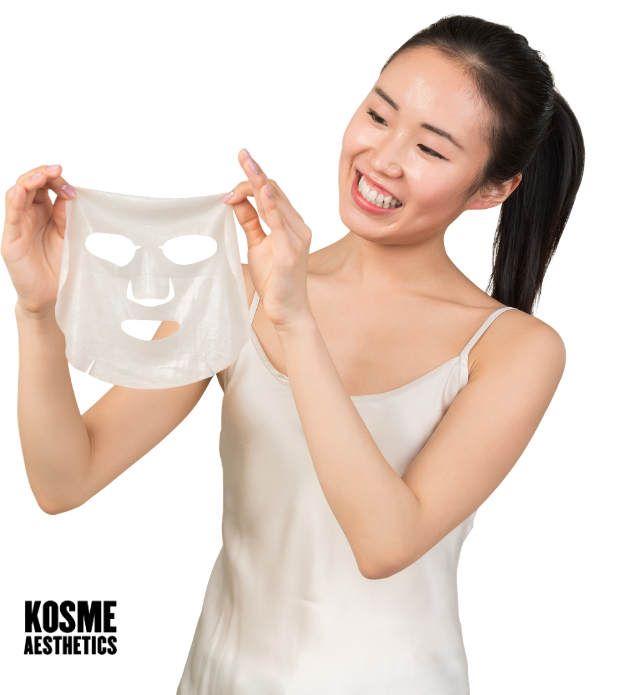
1. Using Sheet Masks Too Often
Frequent use, particularly of masks containing exfoliating or potentially irritating ingredients, may cause dryness, redness or irritation. Follow the product directions and adjust usage according to your skin’s response.
2. Leaving the Mask On Too Long
Longer use does not necessarily produce better results. A 2024 study found that sheet masks improved hydration, but prolonged wearing times were associated with increased dryness and redness. Follow the time stated on the label.
3. Skipping the Rest of Your Routine
Sheet masks may temporarily improve hydration, but they should not replace cleansing, moisturising or daily sunscreen.
4. Ignoring Product Instructions
Sheet masks differ in their formulas, wearing times and rinsing directions. Follow the instructions for the specific product rather than applying one rule to every mask.
While sheet masks can provide a quick hydration boost, consider adding a facial to your monthly routine to support hydration, smoother-looking texture and a refreshed complexion.

