


Weight Loss Programmes in Singapore: 5 Options and How to Choose
Learn more

Slimming

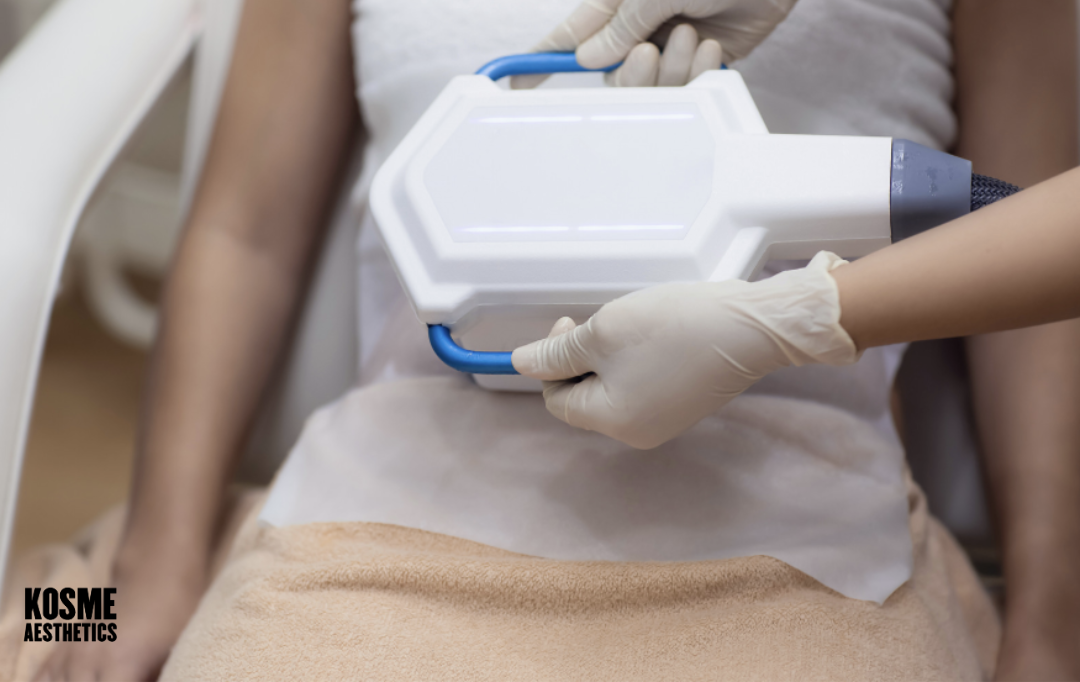
Does fat freezing work? Yes, fat freezing can reduce small, localised areas of subcutaneous fat and create a more contoured appearance without surgery. Results develop gradually and vary according to the treatment area, device, number of sessions and individual response.
Fat freezing is best suited to people who are close to their preferred weight but still have pinchable areas of fat that are difficult to change through their usual routine.
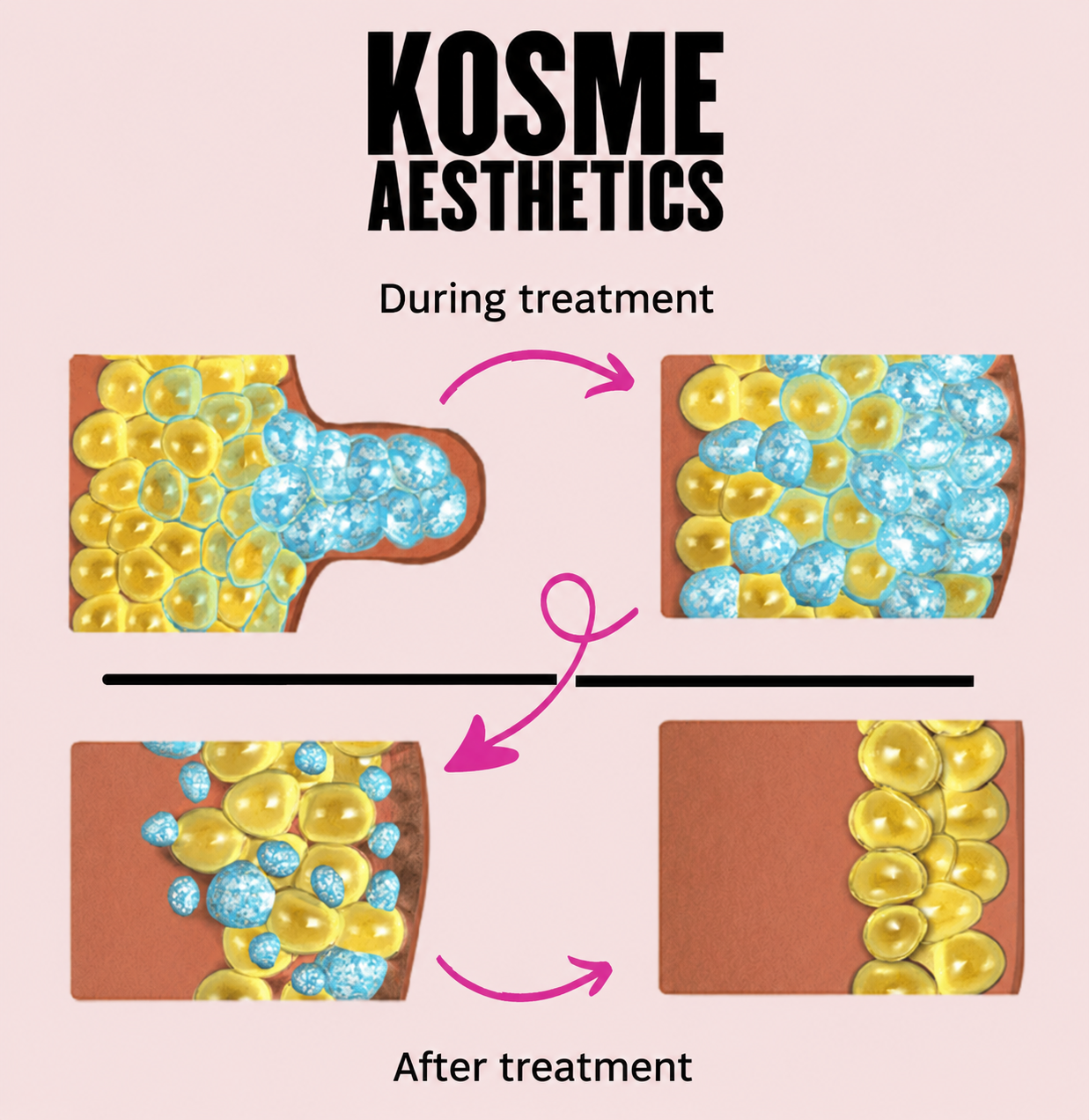
Fat freezing, also called cryolipolysis, uses controlled cooling to damage selected fat cells beneath the skin.
Before treatment begins, a protective membrane is placed over the selected area. The applicator gently draws the pinchable fat into position and applies controlled cooling. The body then gradually clears material from the damaged fat cells over the following weeks and months, creating a gradual body-contouring effect.
Research supports cryolipolysis as a non-surgical option for reducing localised subcutaneous fat. A 2025 systematic review and meta-analysis of 30 studies involving 3,158 participants found improvements in several body-contouring measurements around 12 weeks after cryolipolysis. Across the included studies, average abdominal circumference decreased by 3.56 cm compared with baseline, and overall patient satisfaction was 80.4%.
Results varied according to the treatment area, device and study design, so individual outcomes may differ.
Fat freezing can produce a measurable reduction in the thickness of localised subcutaneous fat. Mayo Clinic Press reports that studies have found reductions of approximately 10.3% to 25.5% in fat thickness in treated areas.
The goal is body contouring rather than overall weight loss. This makes fat freezing most appealing for people who want to refine a specific area without surgery or significant downtime.
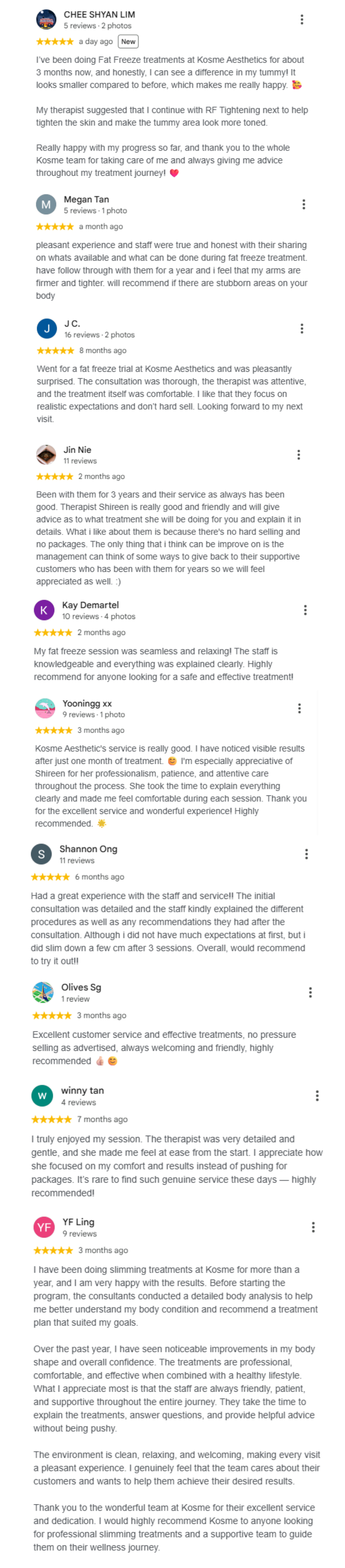
See how Kosme clients describe their treatment experience and progress. Individual results vary depending on the treatment area, number of sessions and personal response.
Some people may be satisfied after one treatment, while others may consider additional sessions depending on the treatment area, applicator coverage and desired level of change. A consultation helps create a plan based on your body goals rather than using the same number of sessions for everyone.
Results can differ depending on the amount, shape and location of the subcutaneous fat being treated. Fat freezing works best on areas of pinchable fat that fit the applicator properly. Skin firmness, applicator coverage and individual response may also affect the visible result.
Different applicators are designed to fit different body areas. Selecting a suitable applicator and positioning it correctly helps provide appropriate coverage and supports a more even-looking result.
Fat freezing reduces selected fat cells in the treated area, but the remaining fat cells can still enlarge with future weight gain. Maintaining a stable weight through balanced eating and regular activity may help preserve the appearance of the treated area.
An experienced provider can assess whether the area is suitable, select the appropriate applicator, explain what level of change may be realistic and monitor your comfort throughout the session. Personalised planning helps ensure that the treatment matches your body goals.
Fat freezing may be suitable for adults who are close to their preferred weight and want to reduce a small area of pinchable subcutaneous fat without surgery.
Fat freezing may require further assessment in some situations, and it may not provide the preferred result when loose skin or general weight loss is the main concern.
Fat freezing is a non-surgical option for gradually reducing selected areas of pinchable subcutaneous fat. Results depend on choosing a suitable treatment area, using appropriate applicator coverage and setting realistic goals during consultation.
Key takeaways
• Fat freezing can reduce localised subcutaneous fat and create a more contoured appearance.
• It is non-surgical and usually requires little disruption to normal activities.
• Results develop gradually and vary between individuals.
• The treatment area, applicator coverage and number of sessions affect results.
• It works best for people close to their preferred weight with pinchable fat.
• A personalised consultation helps set realistic treatment goals.

