


Prediction - The Death of Hundreds of Nails, Hair, Lashes, Facials & Medical Aesthetic Places. Here Are 7 Reasons Why Your Packages Are In Danger:
Learn more

Slimming

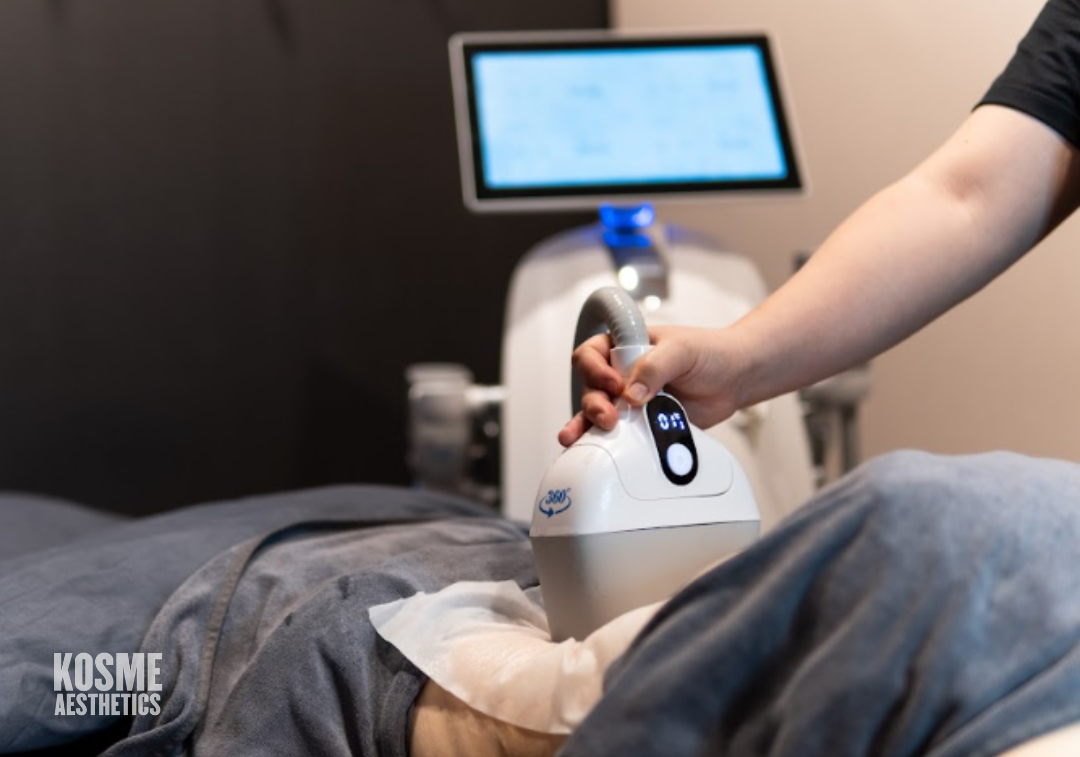
Fat freezing, also called cryolipolysis, is a non-surgical body-contouring treatment that uses controlled cooling to damage fat cells in a selected area. The body gradually clears some of these damaged cells over the following weeks and months.
Fat freezing is intended for localised subcutaneous fat and is not a treatment for obesity, visceral fat or general weight loss.
Most people can return to their normal daily activities after fat freezing. Mild redness, swelling, bruising, tenderness, numbness or tingling can occur and generally improve gradually.
For the first few days after treatment:
Seek advice if you experience severe or worsening pain, blistering, spreading redness, unusual skin changes or an unexpected firm enlargement of the treated area.

Aftercare can vary depending on the device used, treatment area and your individual response. Follow the instructions provided by your therapist and contact your provider if you are unsure whether a symptom is normal.
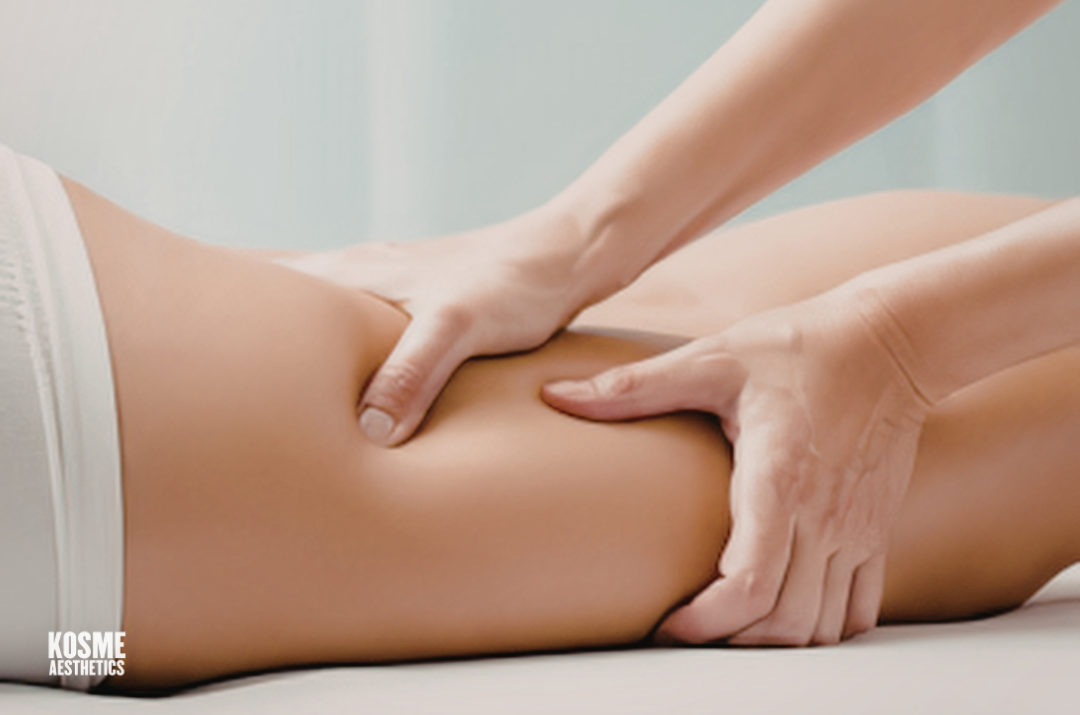
Massage instructions vary depending on the treatment. Only massage the area if your therapist recommends it. Stop if it causes more pain, bruising or skin irritation.
Drink enough water throughout the day to stay well hydrated after your fat freezing session. For many adults, around 2–3 litres of fluids per day can be a practical general guide, although individual needs vary.
Adequate hydration supports your body’s normal functions while the treated area recovers.
You do not need to force excessive amounts of water. If you have been advised to restrict your fluid intake because of a medical condition, follow your healthcare provider’s advice instead.

Attend your recommended follow-up so your provider can review your side effects, recovery and results. Additional sessions should be considered after the treated area has had enough time to show its response.
Some people see results a lot quicker than others; however, this varies from person to person.
Results develop gradually as the body clears damaged fat cells. Some people may be satisfied after one treatment, while others may consider another session depending on their goals and response.
Maintaining a stable weight through a balanced diet and regular exercise may help preserve the appearance of your results.
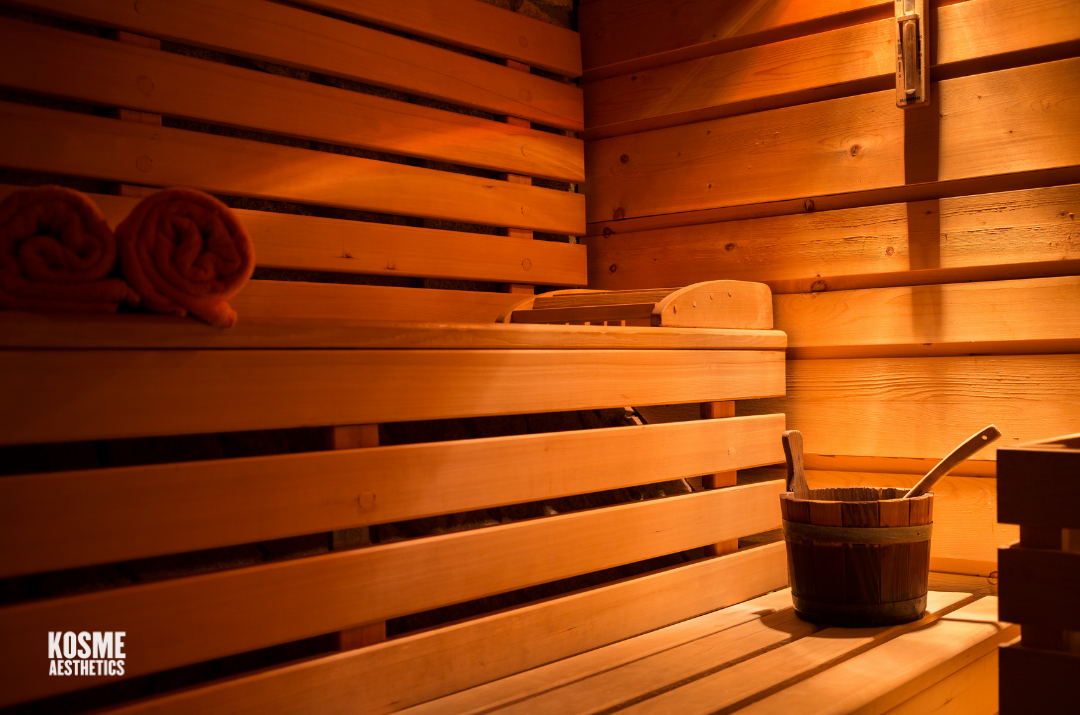
For the first 24 hours after fat freezing, avoid exposing the treated area to excessive heat, especially if it still feels sensitive, swollen or numb.
This includes:
Temporary redness, swelling, tenderness and changes in sensation can occur after fat freezing, so allowing the area time to settle may help minimise unnecessary discomfort.
Follow any additional instructions provided by your treatment provider, as aftercare may vary depending on the treatment area and device used.
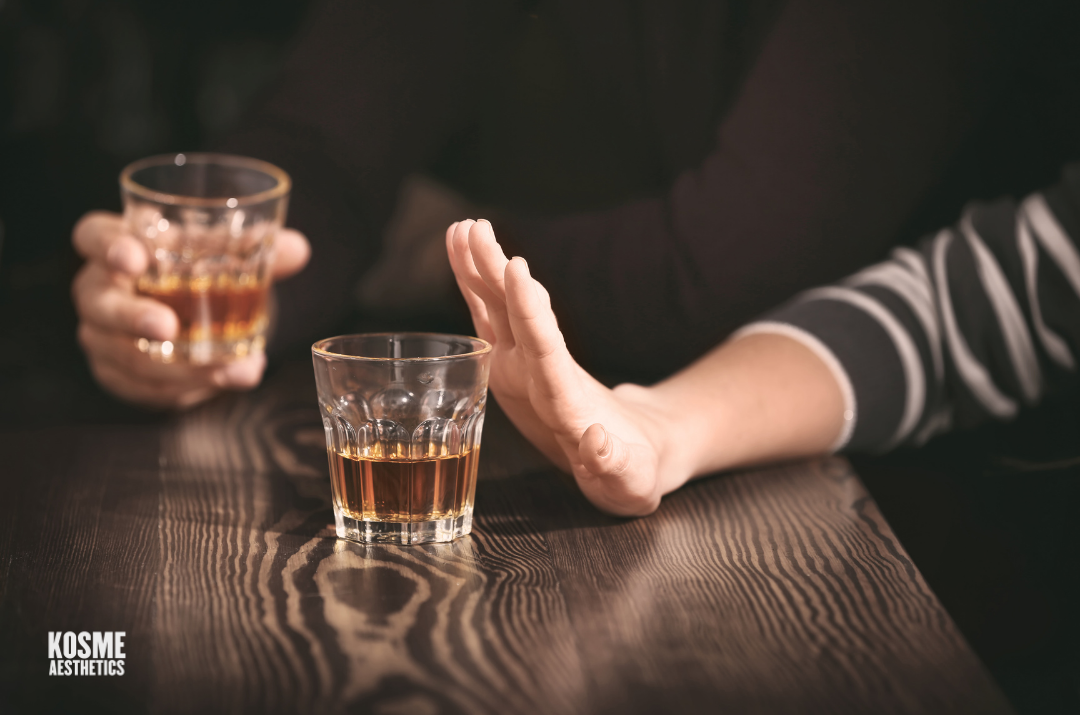
Consider minimising alcohol and excessive caffeine for the first 48 hours after fat freezing, particularly if you are experiencing swelling, tenderness or discomfort.
Alcohol can contribute to dehydration, while large amounts of caffeine may also increase fluid loss in some people. Staying adequately hydrated during the early recovery period is generally preferable.
You do not necessarily need to eliminate caffeine completely. Moderate your intake, drink enough water and follow any specific instructions given by your treatment provider.
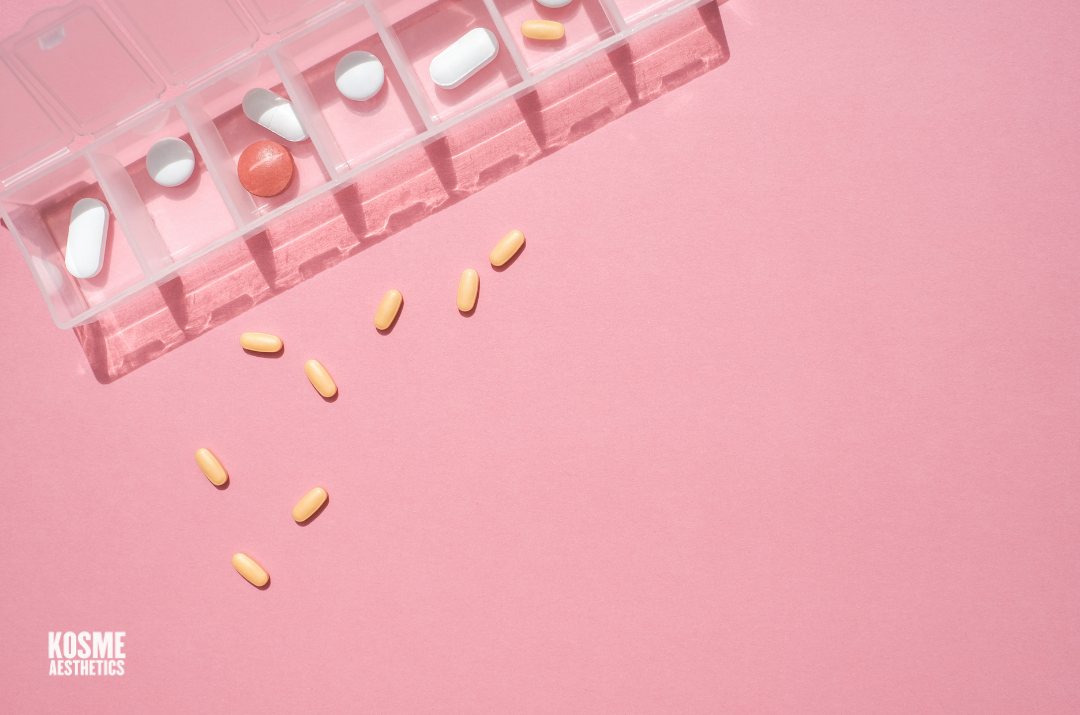
Before your fat freezing treatment and during the recovery period, consult your healthcare provider about your current medications and supplements.
Pay particular attention to:
Some medicines and supplements may increase bruising or affect whether the treatment is suitable for you.
Inform your consultant about all medicines and supplements before treatment, especially blood thinners or products that may increase bruising. Never stop or change prescribed medication unless the clinician who prescribed it has approved the change.
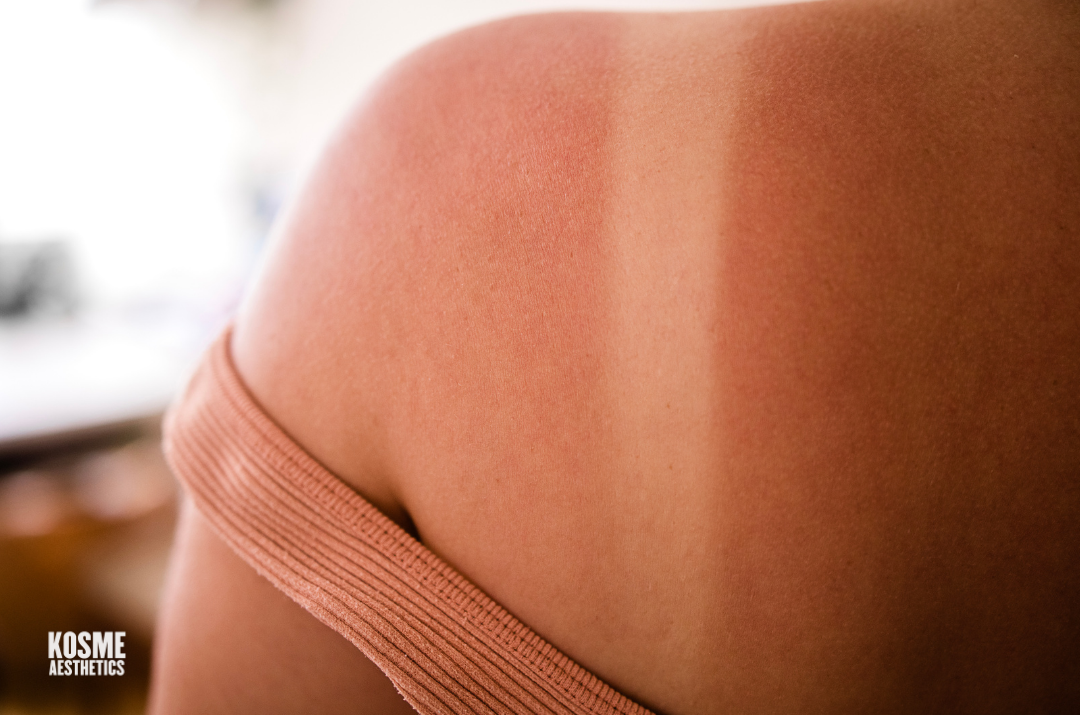
The treated skin may temporarily feel more sensitive. Protect exposed areas from strong sunlight and use broad-spectrum SPF 30 or higher where needed.
Avoid sunbathing, tanning beds and tanning products to protect the skin from being irritated, bruised or damaged.
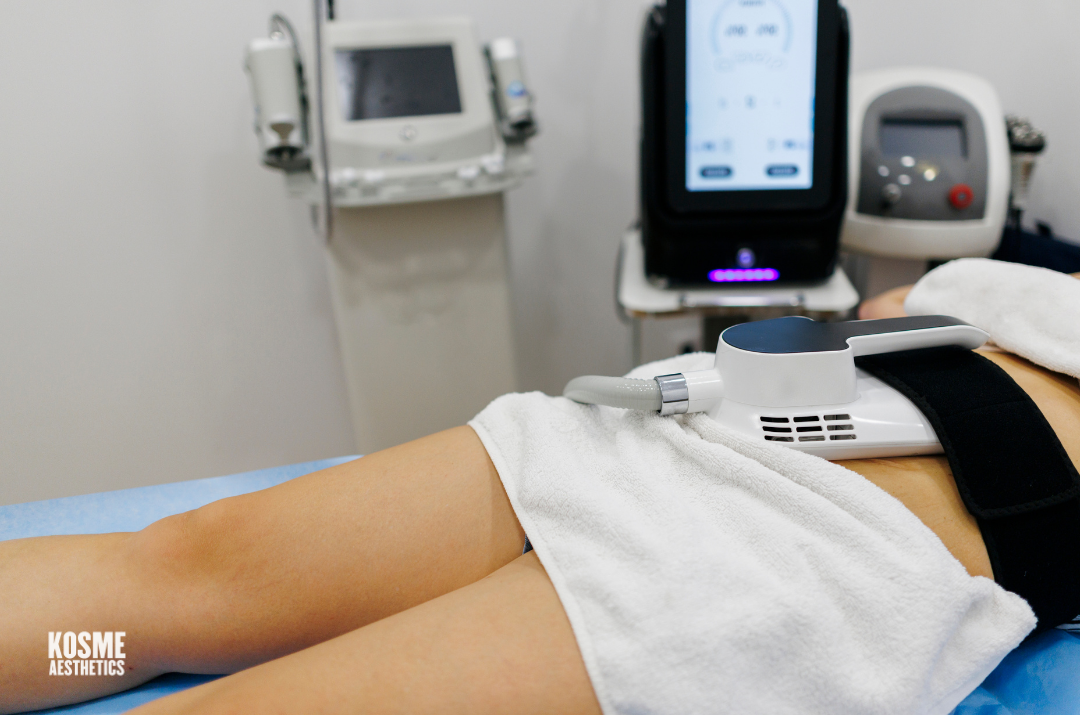
As a precaution, avoid scheduling another skin, slimming or aesthetic treatment on the same treated area for around two weeks, unless your treatment provider advises otherwise.
The area may temporarily remain tender, swollen, bruised or sensitive after fat freezing, so allowing it time to settle before introducing another treatment may help reduce unnecessary irritation.
This may include treatments involving:
Different treatments and devices may require different intervals, so check with your provider before combining treatments.
Understanding the expected timeline and results of fat freezing is crucial for managing expectations and optimizing your treatment plan.
Mild swelling, bruising and tenderness are common temporary reactions and usually improve gradually.
Immediately after treatment:
Redness, swelling, firmness, tenderness, numbness or tingling may occur.
During the following days and weeks:
Redness and swelling usually improve gradually, while altered sensation may last longer.
Over the following weeks and months:
Visible changes may develop gradually as damaged fat cells are cleared.
Around two to three months:
Many studies assess results at approximately 12 weeks, although individual timing varies.
Most people can return to their usual daily activities after a fat-freezing session. It is normal for the treated area to feel slightly different for a while.
These effects usually settle gradually as the area recovers. Changes in sensation, such as numbness or tingling, may take a little longer to improve.
Most post-treatment effects are temporary, but it is still useful to know when to get it checked.
Contact your treatment provider or seek medical advice if you notice:
These symptoms are not what most people experience, but getting advice early can help ensure the area is recovering as expected.
Paradoxical adipose hyperplasia is a rare delayed reaction in which the treated area becomes larger and firmer instead of gradually reducing.
When it occurs, it may become noticeable a few months after treatment. If you notice an unexpected firm enlargement in the treated area, seek medical advice to confirm whether it is PAH.
PAH does not usually resolve on its own and may require further medical treatment.
Key takeaways
• Most people can return to their usual daily activities after fat freezing
• Temporary redness, swelling, tenderness or numbness may occur and usually improve gradually.
• Results develop gradually over the following weeks and months
• Follow your provider’s aftercare advice and contact them if anything feels unusual or does not improve as expected.
• Rare delayed reactions can occur, so attend your recommended follow-up and monitor the treated area.

Essential
